Category Archives: General

Riesling, Right Now!

Back to School: Part Three of Three
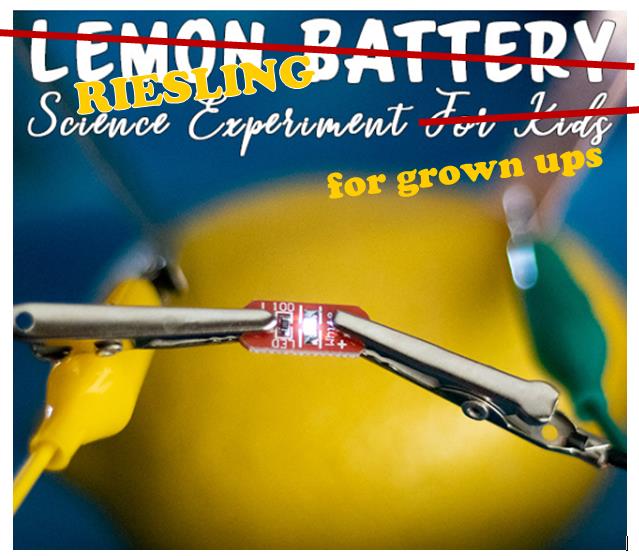
The third and final chapter in this Back to School series—in antithesis to the complexity of the previous—is the least rigidly scientific, but without a doubt, the most accessible. We’re presenting a grab bag of dry wines, all from the 2023 vintage, but from a variety of different regions in Germany. Compare and contrast.  


Referring back to the German Wine Classification tiers noted in the previous presentation, all of the wines in this third experiment are classified as Qualitätswein*, and not measured with any particular Pradikat. (*QbA: Quality wine from one of 13 official designated wine regions (PDO) that must pass an official quality test).


  • Experiment Three:
    • Trockens from different hands across the land
      • Controls
        • Style: Trocken
        • Quality level: Qualitatswein (no Prädikat)
        • Vintage: 2023
      • Variables:
      • Region
        • Nahe
        • Pflalz
        • Mosel
      • Producers
        • Hexamer
        • Von Winning
        • Vollenweider
        • Merkelbach
        • Emrich Schonleber
        • Donnhoff


  • You have some freedom to decide how you’d like to explore how regional variations and how they affect the finished wines. The combination of differences in soil type and regional climate variations can mean very different results for wines made from the same grape variety in the same year. Producer’s styles can also be observed in this comparative tasting. Will you compare three Nahe wines, or Mosels? What about one wine from each of the three regions represented? What do you like about each? What stands out?


While this experiment shows very tidily how Riesling can be produced as a delicious dry wine, I’ll leave you with a few final observations, and some closing theories from this three-part-exercise.  


  • Acid = electricity
  • Sweetness is one way to balance acidity
  • There are many ways to approach making wine from one single grape variety
  • German wine is a mouthful before you ever taste it, but is so much fun to explore!

About the Regions presented:


Mosel:
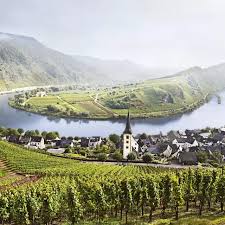
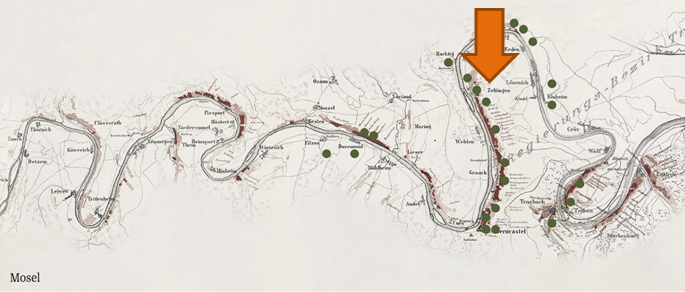
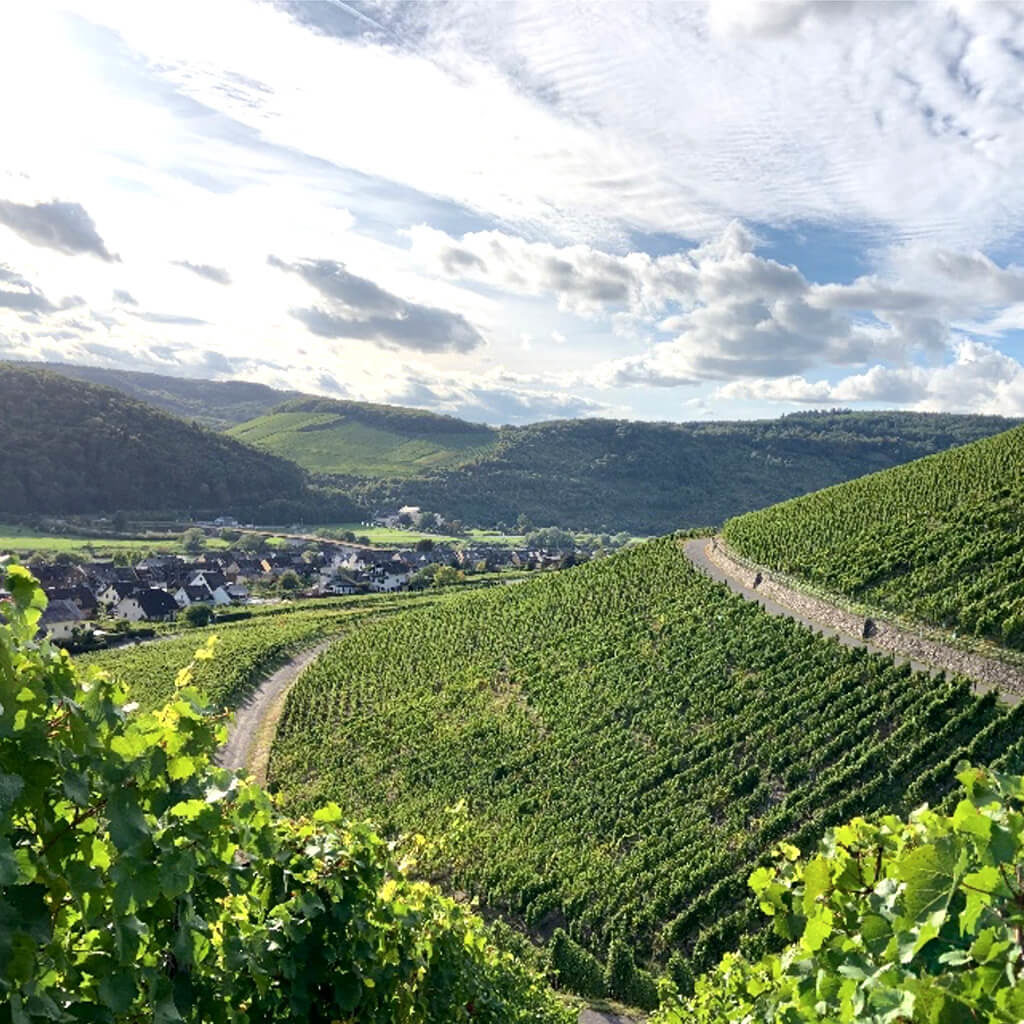
The Mosel wine region in Germany follows the winding Mosel River and is famous for producing world-class, mineral-driven Riesling grapes on some of the steepest vineyard slopes on earth. Mosel wine region are defined primarily by ancient Devonian slate on its famous steep slopes, alongside limestone and alluvial river valley deposits.

Nahe:
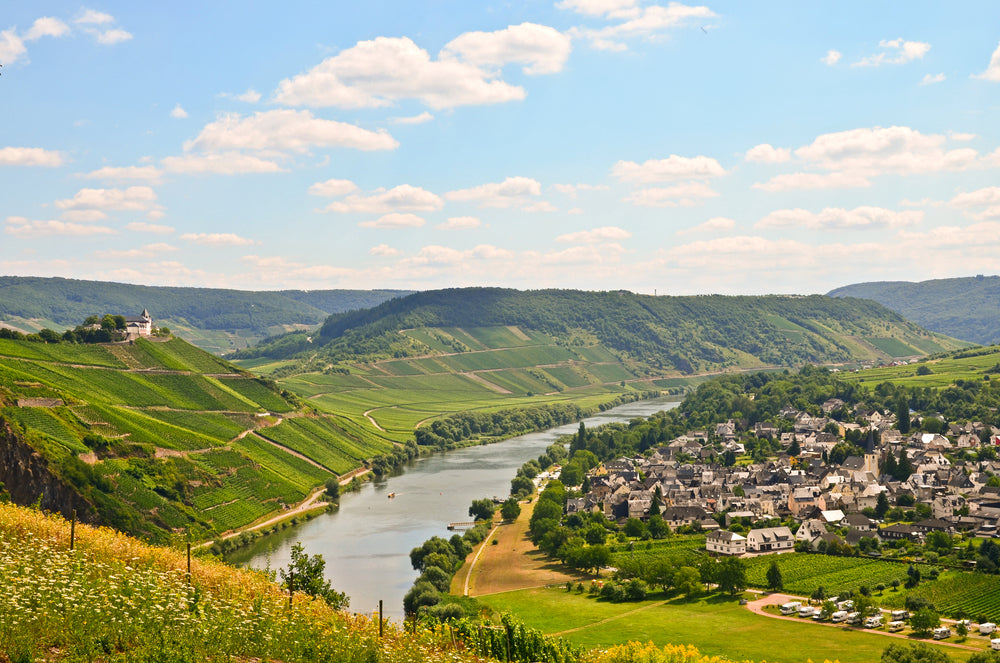
The Nahe is a compact German wine region located in the state of Rhineland-Palatinate, nestled between the Mosel and Rhine rivers. The region contains over 180 different soil types due to complex volcanic origins. Key soils include slate, quartzite, sandstone, porphyry, clay, and loess. Nahe wines combine the raciness and minerality of Mosel Rieslings with the richer structure and body of Rheinhessen or Rheingau bottles.

Pfalz:
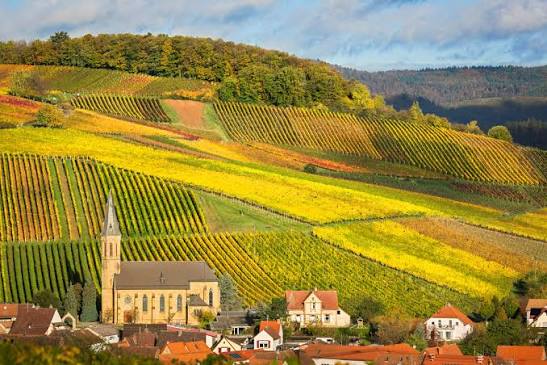
Pfalz is Germany’s second-largest wine-growing region, stretching about 80 kilometers along the scenic German Wine Route in southwestern Germany. The region features a highly diverse mosaic of soils shaped by the collapse of the Rhine Graben and its location along the Haardt Mountains. Pfalz wine region style features ripe, full-bodied, and predominantly dry (trocken) wines with lower acidity and rich stone fruit flavors compared to cooler German regions like the Mosel.


About the Vintage:

Acclaimed critics like Paula Sidore and Stuart Pigott praise the 2023 Rieslings as graceful, expressive, and balanced, possessing racy acidity and a slightly riper, richer profile than previous years. Many estate producers compare the successful lots of 2023 favorably to the stellar 2019 vintage due to their poise, symmetry, and aging potential.


Featured Wines:
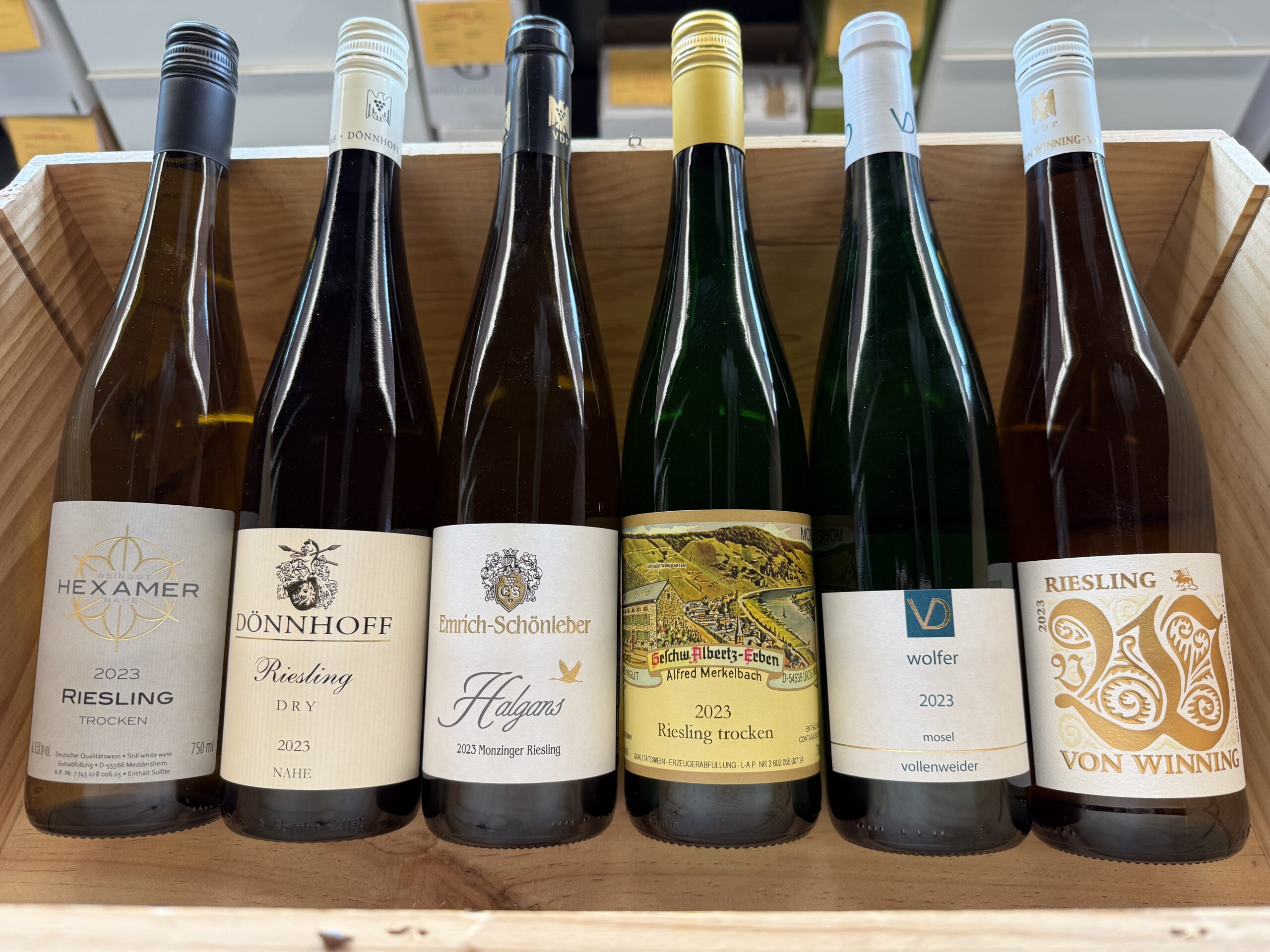
Hexamer, Estate Trocken, Nahe 2023

Regular Price: $29.95                      Vinopolis Price: $26

  • “The palate is spicy and delivers a mélange of herbal and mineral flavors, with even a peppery edge. The finish is, miraculously, balanced, and while it doesn’t linger it is also surprisingly smooth, yet without the weird creaminess of deacidified wines” Notes from Importer Terry Theise 

Emrich-Schonleber, Halgans Trocken, Nahe 2023

Regular Price: $49.95                      Vinopolis Price: $44.50

  • “Fabulous interplay of refined peachy fruit and racy acidity. Compact, concentrated and extremely minerally on the medium-bodied palate, the wine expanding as it shoots over your palate with the brightness of a lightning strike. Drink or hold.” 95 Points- James Suckling

Donnhoff, Estate Trocken, Nahe 2023

Regular Price: $39.95                      Vinopolis Price: $36

  • “Fantastic brilliance and a wealth of delicate stone-fruit and citrus aromas, also floral notes! Barely medium-bodied, but with all the attributes that make a dry Nahe riesling a thing of beauty to behold. Drink or hold. Screw cap.” 93 Points – James Suckling

Von Winning, Estate Trocken, Pfalz 2023

Regular Price: $27.95                      Vinopolis Price: $24

  • “The 2023 Riesling is made from estate-grown fruit only, from the youngest vines and non-classified vineyards, all done in stainless steel. Ripe stone fruit and gentle creaminess on the nose are friendly and sunny. The palate is totally inviting, providing lightness, zestiness, creaminess and above all, bright, gentle fruit. (Dry) (Drink between 2024-2028).” -Anne Krebiehl MW – Vinous

Merkelbach, Trocken, Mosel 2023

Regular Price: $24.95                      Vinopolis Price: $21.90

  • “The 2023er Riesling Trocken comes from fruit picked in the west-facing and higher parcel Zeltinger Himmelreich. It offers a superbly refined, elegant, and finely aromatic nose of whipped almond cream, vineyard peach, minty herbs, smoke, white flowers, and anise. The wine proves super light and airy on the finely juicy and delicately creamy palate. These creamy elements give way to a broader yet also more focused side. This very charming and attractive dry Riesling. 2025-2033.” -Mosel Fine Wines

Vollenweider, Wolfer Trocken, Mosel 2023

Regular Price: $39.95                      Vinopolis Price: $36

“The village-level Wolfer is a bit grander and more elegant, but also perhaps more ruthless than the “Felsenfest.” Every year this is a personal favorite; every year it has some of the most extreme numbers (meaning low residual sugar, high acidity). Sourced from up to 80-year-old vines in the Goldgrube and barrel-aged on the full yeast in barrel and stainless steel for a year, this is always released a year behind the Felsenfest, along with the Grand Crus. Moritz thinks 2023 may be the best dry vintage he has seen. While theoretically a warmer vintage, the wines have a stunning purity and harmony. Note from Importer Vom Boden + 95 Points; James Suckling
Riesling, Right Now!

Back to School Edition: Chapter Two of Three

Well, I’ve really leapt down a rabbit hole with this one…

This second selection of Back to School wines hits the peak of the technical complexity I’ll dive into for now. No promises about what kind of nerdiness the future holds, but that is a promise that the third set will be the most accessible.

Experiment two, takes us to Zeltinger Sonnenuhr in the year 2018.

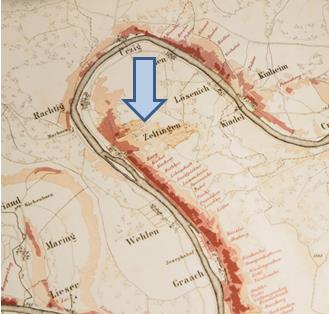
All three wines presented here come from a vineyard that happens to neighbor the site presented in the previous post. For this study, we’ll taste how winemaker Markus Molitor approaches a few layers of the Prädikats.

About Prädikat:

German wine uses a four-tier quality framework based on the German Wine Classification:

  • Deutscher Wein: Basic table wine with no specific geographic origin required on the label.
  • Landwein: Regional Protected Geographical Indication (PGI) wine from one of 26 broad areas, featuring a defined vintage and origin.
  • Qualitätswein (QbA): Quality wine from one of 13 official designated wine regions (PDO) that must pass an official quality test.
  • Prädikatswein: High-quality subset of Qualitätswein ranked strictly by the natural sugar level (must weight) of the grapes at harvest, with no sugar added during winemaking


Prädikats alone doesn’t guarantee sweetness. That decision is up to the winemaker to achieve balance in the finished wine, at which Molitor is expert.

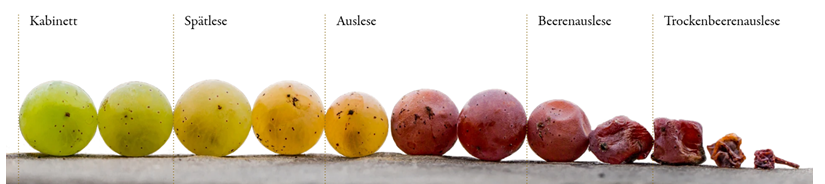
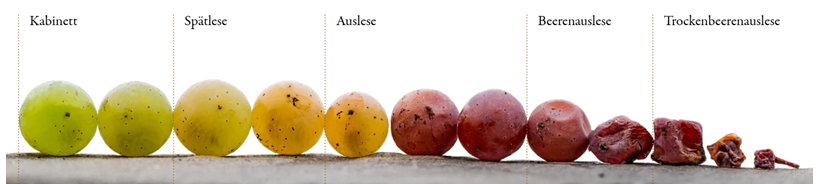
Image depicting grapes at varying prädikats:

The Six Prädikat Levels (In Order of Ripeness)

  • Kabinett: The lightest and lowest alcohol style, usually crisp and semi-sweet, though it can be made dry.
  • Spätlese: Means “late harvest”; richer and more concentrated with fuller body.
  • Auslese: Means “selected harvest” from very ripe, hand-picked bunches, occasionally touched by noble rot.
  • Beerenauslese (BA): Rare, rich dessert wines made from individually selected overripe or botrytized (noble rot) berries.
  • Eiswein (Ice Wine): Made from naturally frozen grapes pressed while frozen at or below -7°C to concentrate sugars and acids.
  • Trockenbeerenauslese (TBA): The peak of the pyramid; intensely sweet, luscious honey-like wines made from shriveled, botrytized individual grapes.
  • Experiment Two: Prädikat
    • Balance can be achieved beautifully at different levels of ripeness, and with varying degrees of sweetness.
      • Controls
        • Winemaker: Markus Molitor
        • Vintage: 2018
        • Vineyard: Zeltinger Sonnenuhr, Mosel
      • Variables:
        • Prädikat level
        • Residual sweetness in finished wine
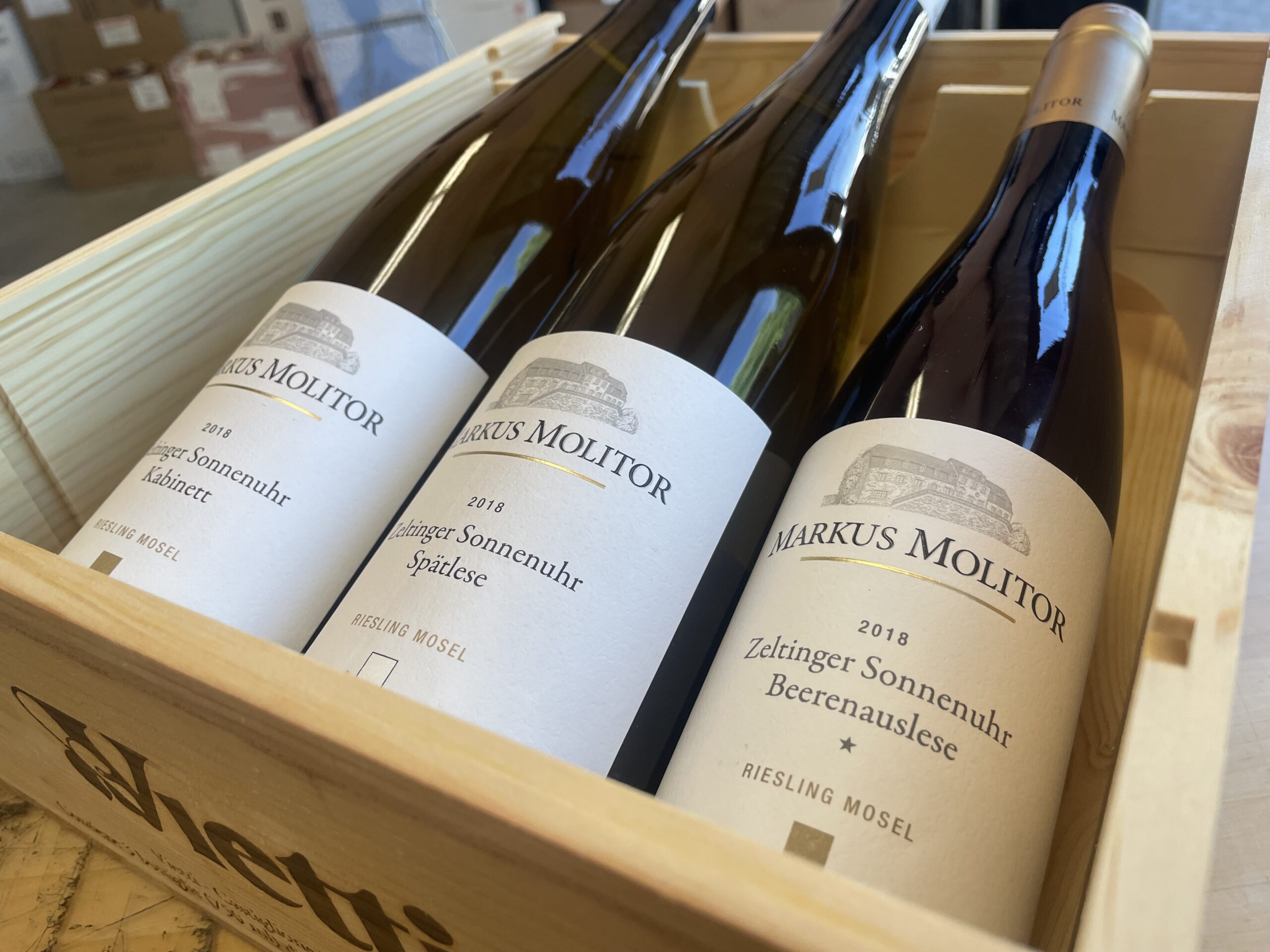
          • Kabinett Gold Kapsel – The least amount of potential alcohol at the time of harvest, but fermented to find balancing sweetness in contrast to intense, youthful acidity.
          • Spatlese White Kapsel – More ripeness in the fruit, but fermented to a powerful dry style. Spice and structure are key features.
          • Beerenauslese Gold Kapsel – Definitely dessert. Picked with the highest potential for alcohol, bottled with the lowest abv. of the three wines here. Honey and spice and so much acid to match that you won’t be able to stop licking your lips for a longtime after each sip.
        • Taste the common characteristics, flavors, and aromatics the Zeltinger Sonnenuhr vineyard produces. Observe how ripeness transforms flavors from taut and youthful to golden and opulent.
        • Not necessary for the experiment, but this would be a great time to bake a tarte tatin or peach cobbler…

About Markus Molitor

Notes form importer Banville Wine Merchants

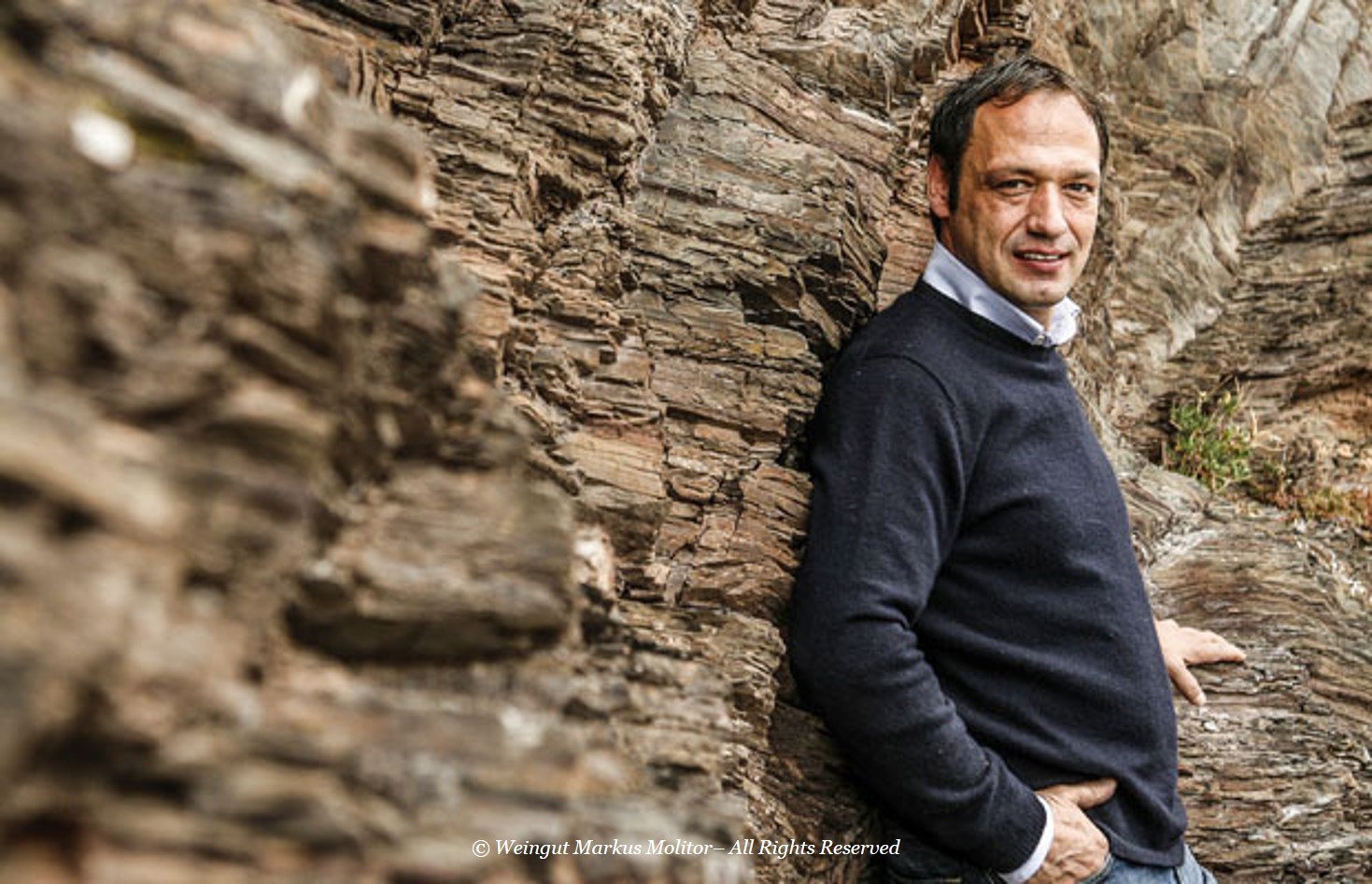
MARKUS MOLITOR was just 20 years old in 1984 when he took control of his father’s winery. Even at such a young age he had a clear vision of what he wanted to accomplish. His ultimate goal was to produce Rieslings from Germany’s famed Mosel region in the family tradition of eight generations before him with a strong dedication to making quality-driven, terroir-specific wines that would be unmistakably characteristic of this unique area. Markus’ guidelines have never changed and remain as uncompromising devotion to quality in the vineyard and cellar, together with an absolute respect for nature. His intent is that each vineyard and vintage should express itself in the taste of every single wine.


Markus began with just 1.5 hectares of vineyards in 1984. Over the past 35 years his holdings have grown to 120 hectares, making Markus Molitor one of the largest privately-owned and family-run vineyard and winery in the Mosel region. 75% of his vineyards are located in Grand Cru sites along the Middle Mosel river and 25% are located in the Saar river region. All of the vineyards are located on steep slopes and many of them are planted with old vines (some of the ungrafted vines are 100 years old). Due to the steepness and age of the vineyards, almost all of the work must be done by hand, guaranteeing the utmost quality in the selection process. Organic and sustainable viticulture practices are used in all of Molitor’s vineyards. All of Molitor’s wines are fermented using natural yeasts only. Most the wines are kept in large wooden barrels called Fuders that range in size from 1000 – 3000 liters.

The cellar is carved out of the slate rock of Wehlener Klosterberg and provides an ideal cool and humid environment for slow fermentation. The wines rest “sur lie” for an extended time after fermentation. Markus Molitor is the largest privately-owned, family-run premium winery in the Mosel area and the only German winery to receive 100 points from Robert Parker’s Wine Advocate not once, but fifteen times!


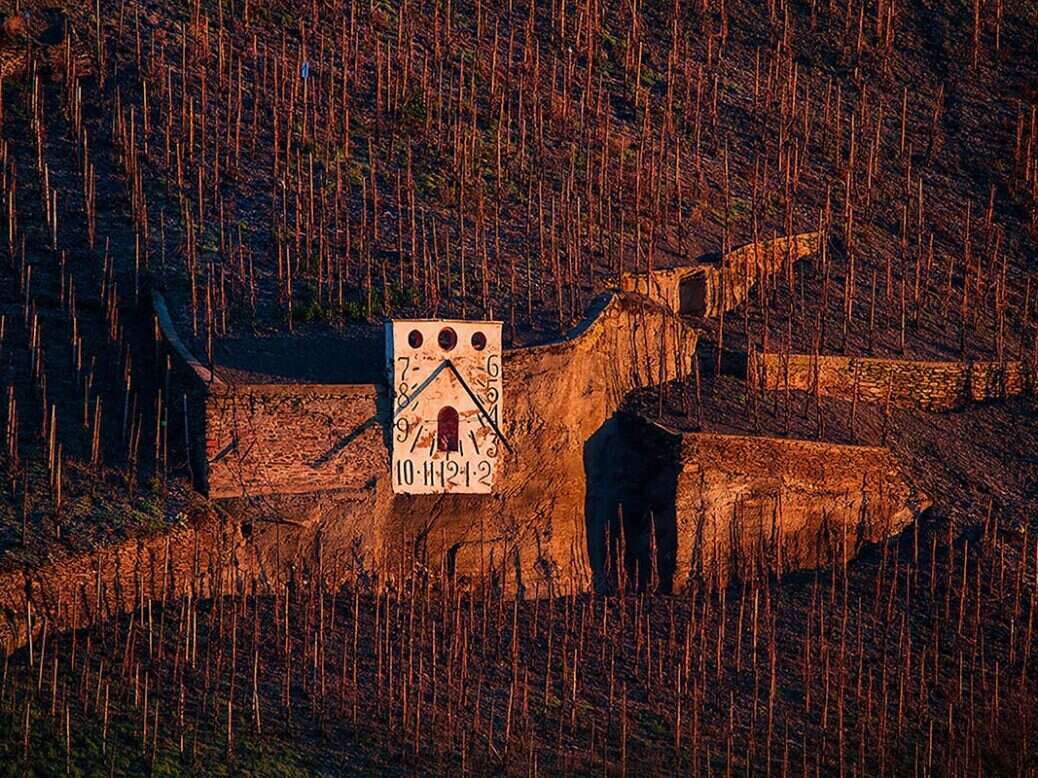
About Zeltinger Sonnenuhr:  The Sun Dial Vineyard

Soil Type: Blue Devonian slate

The “sundial” of Zeltingen is the steepest of the three sites in the village and has the poorest soils. Vines here are rooted directly into Devonian slate. The approximately 23-hectare steep slope, facing south-southwest, has a medium-depth, weathered clay slate soil with a high stone content. What makes the Sonnenuhr vineyard special are its largely unconsolidated, ancient vineyards with ungrafted Riesling vines. Wines from the Zeltinger Sonnenuhr are incredibly elegant, delicate, vibrant, and possess a refined acidity.

Back to School Set #2 – Markus Molitor Prädikat explorer

All three wine altogether $183

Wines are also sold individually.


Set of 3 wines $183

2018 Markus Molitor Zeltinger Sonnenuhr Kabinett Gold Kapsel

Regular price: $31.95      Vinopolis Price: $28

92+ POINTS WINE ADVOCATE “The 2018 Riesling Zeltinger Sonnenuhr Kabinett (Golden Capsule) is intense and aromatic on the nose that displays a concentrated and ripe stone-fruit aroma with reductive, sulfuric notes. Round and silky on the palate, this is a crystalline, salty-piquant and structured Kabinett with intense and sweet yet elegant fruit and a promising long and grippy finish. Tasted at the domain in September 2020.”


2018 Markus Molitor Zeltinger Sonnenuhr Spätlese White Kapsel

Regular price: $44.95      Vinopolis Price: $36

93+ POINTS WINE ADVOCATE “The 2018 Riesling Zeltinger Sonnenuhr Spätlese (White Capsule) offers a clear, fresh, bright and aromatic bouquet of white mandarins and mirabelles intertwined with the pure and refreshing tone of crushed stones and herbs. This bouquet gets you into the wine immediately. Round and intense on the succulent palate, this is a medium-bodied, elegant and very charming Sonnenuhr Spätlese with rather mild acidity but a serious terroir expression on the finish.”


2018 Markus Molitor Zeltinger Beerenauslese * Gold Kapsel (375mL half bottle)

Regular price: $149.95    Vinopolis Price: $119


100 POINTS WINE ADVOCATE “The 2018 Riesling Zeltinger Sonnenuhr Beerenauslese * is precise, clear and highly refined on the subtle, aromatic and flinty nose that represents perfect, early botrytis. Sweet and piquant on the crystalline and salty palate, this is a pristine, perfectly round and balanced BA with great finesse and elegance. Absolutely fabulous and complete. If you like it sweet, you can already enjoy this BA, due to its finesse and balance.”

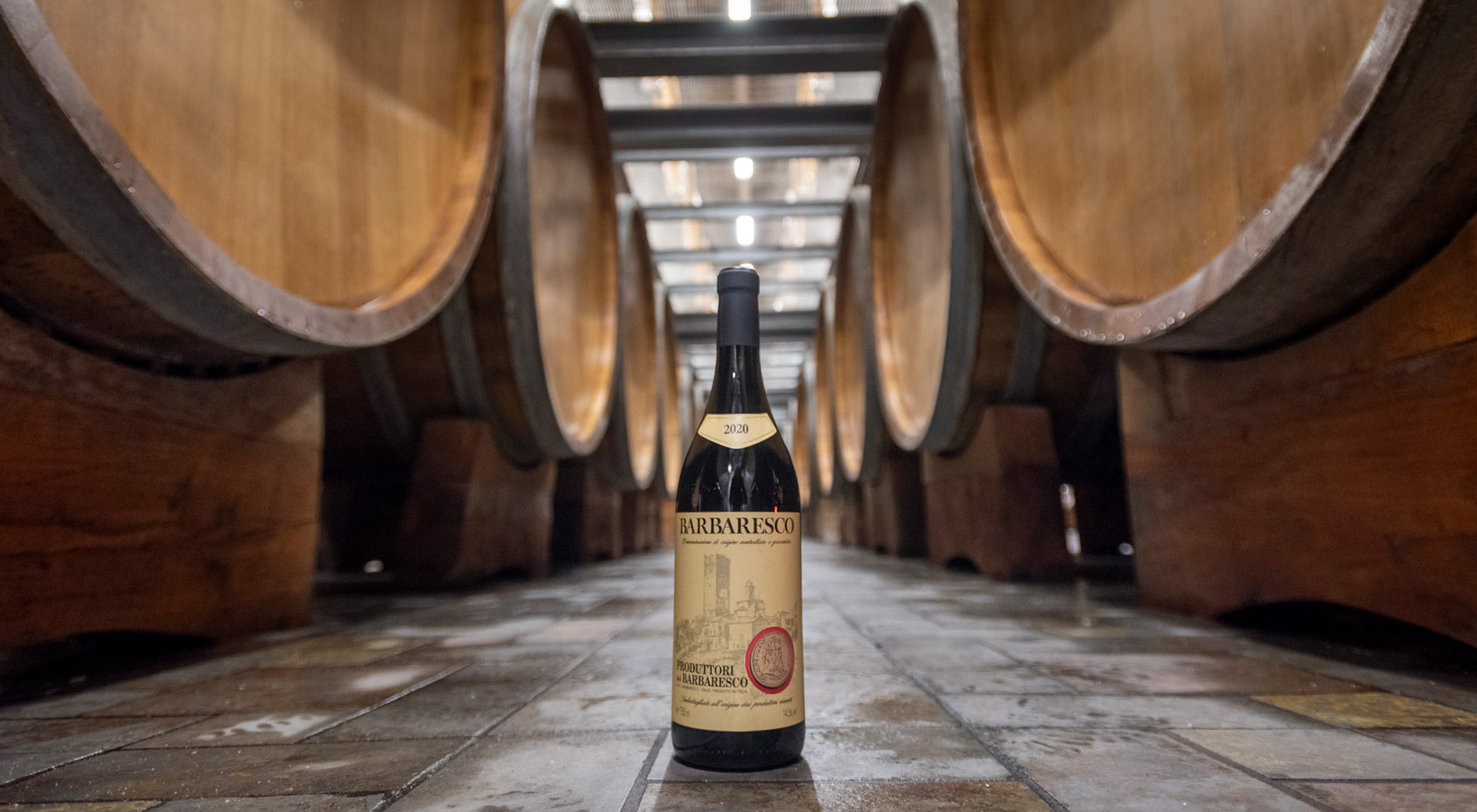
Produttori Barbaresco Promo

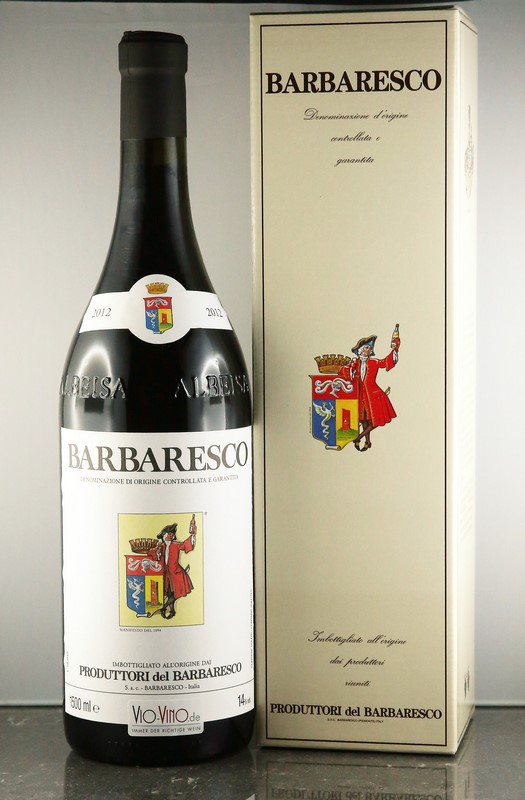
Special pricing on Large Format Produttori Barbaresco for a limited time

Large format bottles are great for laying down in your cellar, and even better when opened and shared with friends. Labor Day weekend is fast approaching, and Barbaresco makes for a pretty perfect accompaniment to backyard BBQs and end-of-summer evenings.

5% discount for order of 2-4 bottles

10% discount for order of 5 or more

Discount will not display online or in your cart,
We will adjust your invoice before processing your charge.
 
Discount ends Tuesday, September 8 at 9 am Pacific

SHOP HERE

Here’s a peek at what we’ve got in stock:

2017 Produttori Riserva Ovello 1.5L

Regular Price: $199.95 Vinopolis Price: $159

94+ POINTS MONICA LARNER-WINE ADVOCATE “One of the bigger productions (with 17,744 bottles) in the Produttori del Barbaresco’s portfolio is the 2017 Barbaresco Riserva Ovello. All of the Riservas in this vintage are characterized by especially exuberant and bold aromas, and this bottle is a prime example. Cassis, wild cherry, tobacco, rusty nail and licorice build intensity. The wine is tapered and silky in texture, but it also offers a good amount of power (and 15% alcohol) to carry it through the aging process.”

2019 Produttori Riserva Ovello 1.5L

Regular Price: $199.95    Vinopolis Price: $169

94 POINTS ANTONIO GALLONI-VINOUS “The 2019 Barbaresco Riserva Ovello is powerful, savory and intensely linear, in classico Ovello style, and yet it appears to have enough fruit behind its imposing tannins to develop well over the coming years. In this tasting, the Ovello feels pretty closed post bottling, but its inherent balance and qualities are there. Clean saline notes extend the finish in promising fashion.”

2020 Produttori Riserva Ovello 1.5L

Regular Price: $219.95    Vinopolis Price: $179

95 POINTS ANTONIO GALLONI-VINOUS “The 2020 Barbaresco Riserva Ovello is a massive, packed wine. Graphite, crushed rocks, dried herbs and cedar open first. Ovello tends to produce a more linear style of Barbaresco, and that is very much the case here as well. However, the 2020 also possesses notable depth and layers in the mid-palate. It’s a gorgeous wine in the making.”

2019 Produttori Riserva Montestefano 1.5L

Regular Price: $199.95    Vinopolis Price: $169

95 POINTS ANTONIO GALLONI-VINOUS “The 2019 Barbaresco Riserva Montestefano is perhaps the most complete of the 2019 Riservas at this stage. It offers fine depth, plenty of tannin and nascent emerging inner sweetness to tie it all together. A wine of stature and textural depth, the Montestefano is my early favorite in this lineup.”

2020 Produttori Riserva Montestefano 1.5L

Regular Price: $219.95    Vinopolis Price: $179

97 POINTS ANTONIO GALLONI-VINOUS “The 2020 Barbaresco Riserva Montestefano is one of the most elegant, polished wines in this range. Bright red-toned fruit, blood orange, spice, mint and cedar are beautifully lifted. The tannins are remarkably polished for a young, recently bottled Riserva. I admire its poise and elegance. This is an especially refined edition of the Montestefano. In 2020, the mix of vineyards is a bit younger than in the past, as one of the blocks of older vineyards was replanted and not used. If I could have only one of the Riservas in 2020, this would be it!”

2019 Produttori Riserva Rabaja 1.5L

Regular Price: $219.95    Vinopolis Price: $189

94 POINTS ANTONIO GALLONI-VINOUS “The 2019 Barbaresco Riserva Rabajà is redolent of dark fruit, crushed rocks, graphite, sage, menthol and lavender all race across the palate, supported by bracing, young Rabajà tannins that make themselves felt. This mid-weight, powerhouse Barbaresco packs quite a punch.”

2020 Produttori Riserva Rabaja 1.5L

Regular Price: $219.95    Vinopolis Price: $189

97 POINTS ANTONIO GALLONI-VINOUS “The 2020 Barbaresco Riserva Rabajà is another stellar wine in this range. Dark and explosive, the 2021 possesses notable richness to match its dark, brooding personality. Black cherry, plum, leather, cloves, menthol, licorice and gravel explode onto the palate. The 2020 will require a measure of patience, but it has a ton of potential.”

5% discount for order of 2-4 bottles

10% discount for order of 5 or more

Discount will not display online or in your cart,
We will adjust your invoice before processing your charge.
 
Discount ends Tuesday, September 8 at 9 am Pacific

SHOP HERE

Riesling, Right Now!

Back to School Edition: Chapter One of Three

Perhaps it’s my kid’s return to school this week, and their entry into an environment of structured, scientific learning that has me looking at the wine in our inventory in a more analytic manner than usual.

Perhaps it’s just that I’m actually a nerd.

I accept that both can be true at the same time.

Either way, let’s dive in.

The labeling laws for German Riesling communicate the significant details about who, where, when, and several of the hows of the wine’s creation. With fluency in the labels, you can get a better idea of “what” is actually in the bottle before you open it.

It’s a pretty cool system!

But, it is a lot of information, which can feel overwhelming. The good news: it’s based on a structured, scientific approach to measurable details and logic.

So, in the spirit of science and fun, I’ve designed three very delicious Riesling packs you can take home….Err, three very scientific experiments to be conducted for very serious science education purposes.

Experiment One: Vintage

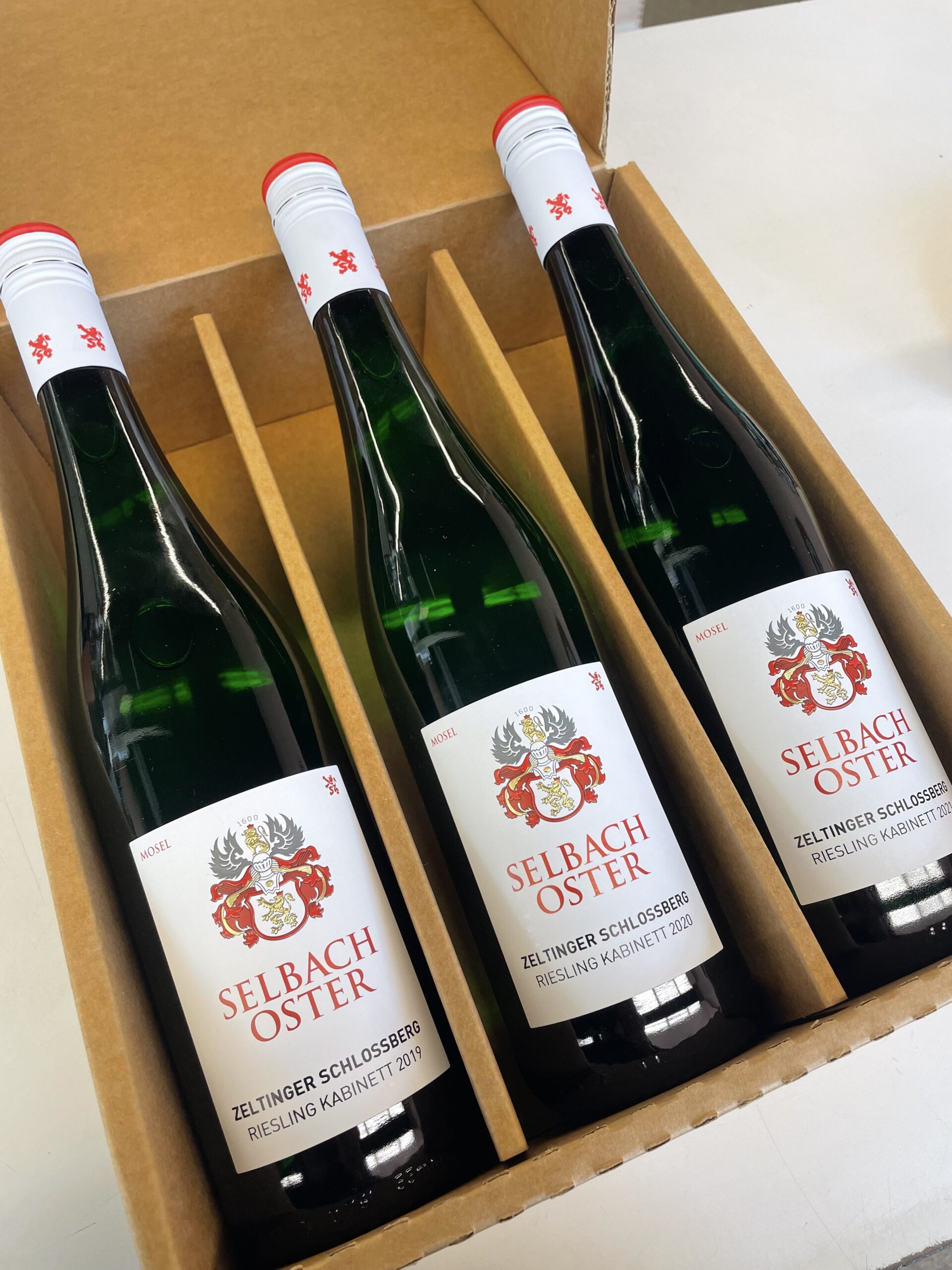
  • Enjoy three wines from the same vineyard site, (Zeltinger Schlossberg), vinified by the same winemaker, (Selbach-Oster) and each harvested at the same ripeness classification, (Kabinett).
  • Controls
    • Vineyard: Zeltinger Schlossberg
    • Winemaker: Selbach-Oster
    • Prädikat: Kabinett
  • Variable: Vintage
    • 2019
    • 2020
    • 2021
  • According to vintage reports for the Mosel region, 2019 is celebrated as a classic, deeply concentrated year balancing rich ripeness with vibrant acidity; 2020 delivered a lighter, more approachable, and softer style with lower acid; and 2021 marked an electric, old-school cool-climate return defined by searing, racy acidity and laser-focused tension.
  • Will your tasting of these three wines show the same results? Will you have a favorite?

About Zeltinger Schlossberg:  

Soil Type: Blue Devonian slate

A Grosse Lage, or Grand Cru, site, steeper overall than Himmelrich, but in comparison to Zeltinger Sonnenuhr, Schlossberg has deeper subsoil of crumbly, broken slate, mixed with organic matter and loam. The vineyard is also further from the Mosel river and gets less of the moderating effect from the wide water surface. The lower sections of Schlossberg (Bömer and Schmitt) are close to the mainly stone houses in the village, which radiate warmth back into the vineyard. The Kabinett produced from this site comes from the higher, cooler parcels closer to the forest which maintain excellent acidity and full aromatic ripeness without too much residual sugar. This is a Kabinett exactly in the style that Johannes Selbach likes to make – firm, crunchy, mineral without an excess of sweetness.


About Selbach-Oster:

Today, Johannes Selbach and his wife Barbara, with the help of son Sebastian, manage their vineyards and winery with passion and respect for the estate’s long held traditions. A substantial portion their 24 hectares of vines are on their original rootstocks, in Zeltinger, Schlossberg, and Sonnenuhr; Wehlener Sonnenuhr; and, Graacher and Bernkasteler Graben. These vineyards of weathered Devonian slate are on a steep, contiguous slope facing south-south west and represent some of the most prestigious sites in all of the Middle Mosel, in fact 85% of the Selbach’s vines are on steep slopes. The Selbach family’s heritage in the wine business dates to 1600: Selbach’s ancestors shipped wines down the Mosel in their own ships, the wine carried in oak barrels made by cooper Matthias Oster, the great-grandfather on the paternal side of the family. Thus, the winery developed as both a top estate producing some of the region’s best wine, and also as a négociant and brokerage firm, consolidating the production of smaller growers.

Johannes, like his late father Hans, has continued the use of traditional 1000 L oak fuder in his cellar, bringing in new large casks every few years. Vinification is carried out in a combination of fuder and stainless steel, in a hands-off manner with no fining, and with wild yeasts. The focus is on meticulous work in the vineyard (organic and sustainable farming) with the aim to produce and bring home perfect fruit. Because their approach in winemaking is minimal, Johannes and Sebastian will allow wines to ferment naturally, as slow or as complete as manifest, resulting in more dry wines in some vintages and more fruity wines in others.


Vineyard and producer profiles courtesy of importer Skurnik

The image below offers a good visual representation of what Riesling grapes look like at each of the five primary prädikat levels. The three wines presented in this experiment are all Kabinett level.


Set of 3 wines $74

Order the Riesling, Right Now!

Back-to-School Set #1

Stay tuned for

Experiment Two: Prädikat

and

Experiment Three: Region/Producer Variation


HOW TO: THE LAST SIPS OF SUMMER

As we wind down into the last few weeks of summer, we’re embracing the allure of the most quintessential wine of the season – rosé. It’s a great pairing for the bounty of the garden; tomatoes, eggplants, and peppers, or just an afternoon on the deck!
 
We have a large and diverse selection of rosés, covering the whole spectrum from casual weeknight sippers to cellar-worthy wines of time and place. Yes! Even rosé can be a wine for meditation.  Presented below are some highlights covering the range; beautiful and elegant Provençals to slightly spritzy Txakolina to German stunners.

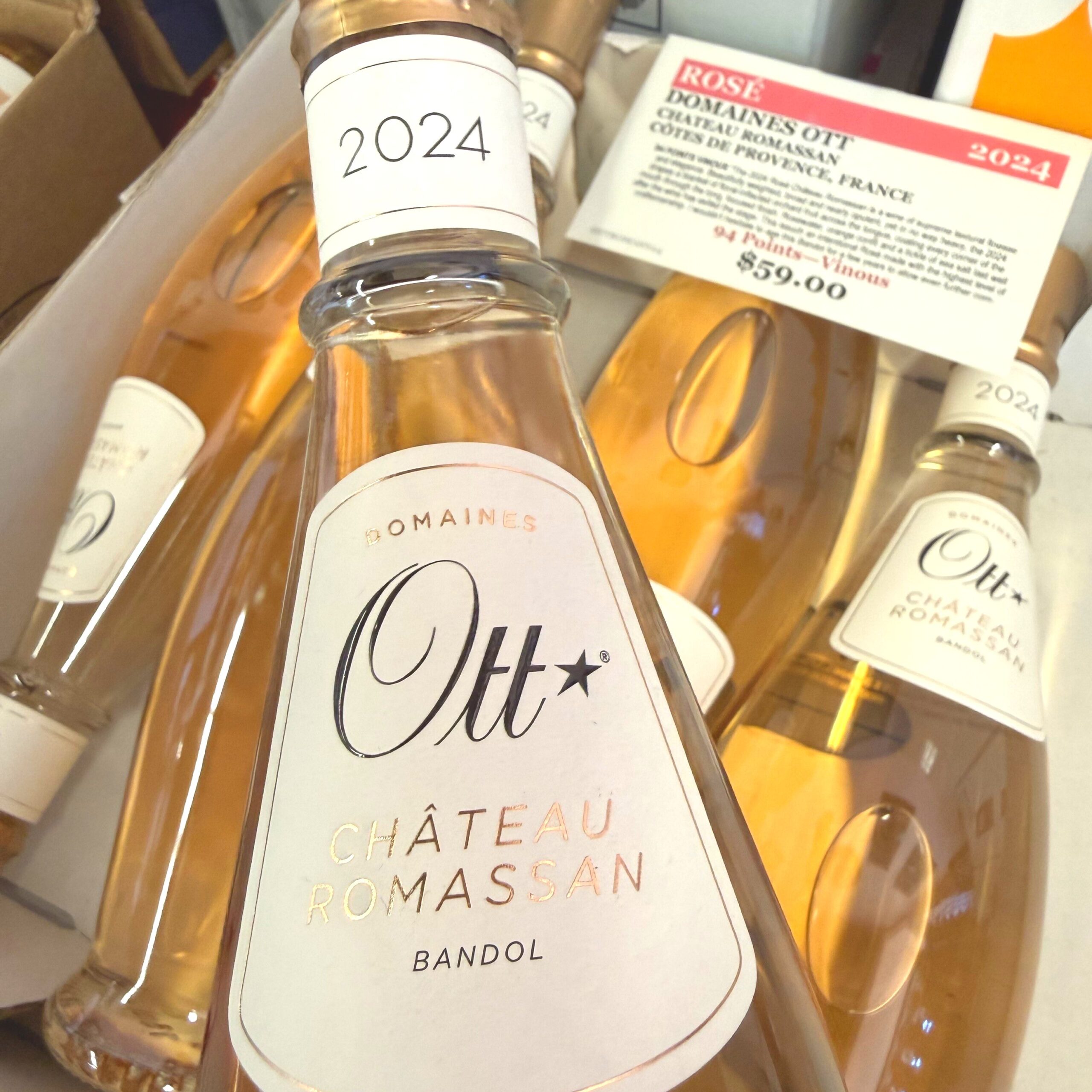
Domaines Ott Chateau Romassan Rosé 2024

  • Regular Price:$69.95
  • Vinopolis Price: $59
  • 94 Points, Vinous “A wine of supreme textural finesse and elegance. Beautifully weighted, broad and nearly opulent, yet in no way heavy, the 2024 drapes a blanket of floral-inflected orchard fruit across the tongue, coating every corner of the mouth through the long, focused finish. Roséwater, orange confit and a tickle of sea salt last well after the wine has exited the stage. This is such an intentional Rosé made with the highest level of craftsmanship. I wouldn’t hesitate to age this Bandol for a few years to allow even further complexity to develop. Bravo.” – Billy Norris

Also in stock from Provence:

  • Domaines Ott Chateau De Sell Rosé 2024 $59
  • Peyrassol Le Clos Rosé 2021 $49 (750ml) + $89 (Magnum) – was $119!
  • Ott By Ott Côtes de Provence 2025 $29
  • Les Sarrins Côtes de Provence 2024 $21.90

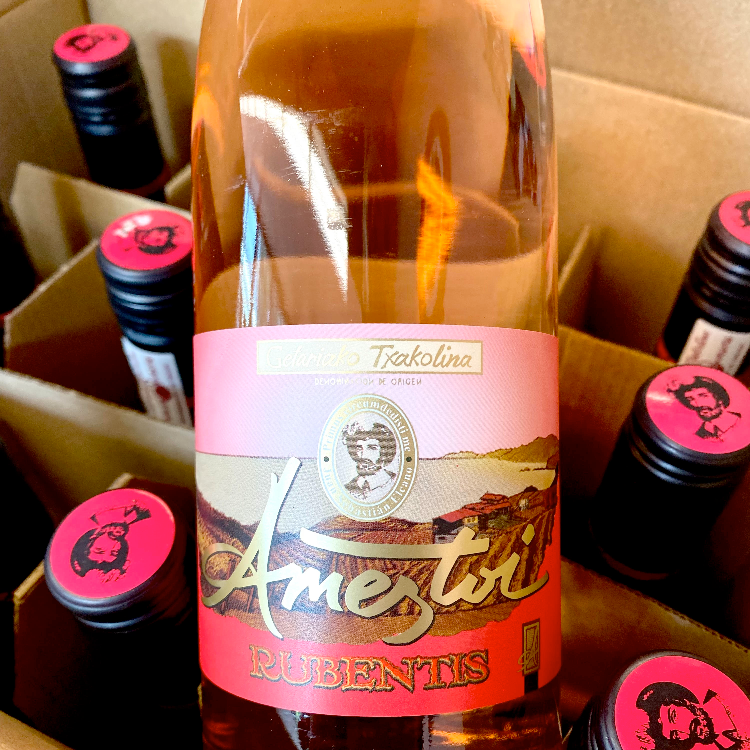
Ameztoi Rubentis Txakolina Rosado 2025

  • Regular Price:$29.95
  • Vinopolis Price: $26
  • This is one that flies out the door every time we stock up! A field blend of indigenous hondarrabi zuri and hondarrabi beltza varieties, grown on traditional trellises high on the slopes rising above Getaria, an ancient Basque fishing village on Spain’s rugged northern coast. Towards the end of alcoholic fermentation, stainless steel tanks are closed to preserve the naturally occurring carbonation, the preferred style of Getaria. Pale pink with shades of fuchsia, the bright tone has a fine and elegant bubbles. Harmonious in the mouth, freshness reminiscent of strawberry sour caramel, and cheerful by the bubbles.

Also in stock from Spain:

  • Muga Rijoa Rosado 2025 $18
  • Bodegas Breca 2023 $21.90
  • Ostatu Rijoa Rosado 2025 $18.00
  • Rezabel Txakolina 2024 $16.00

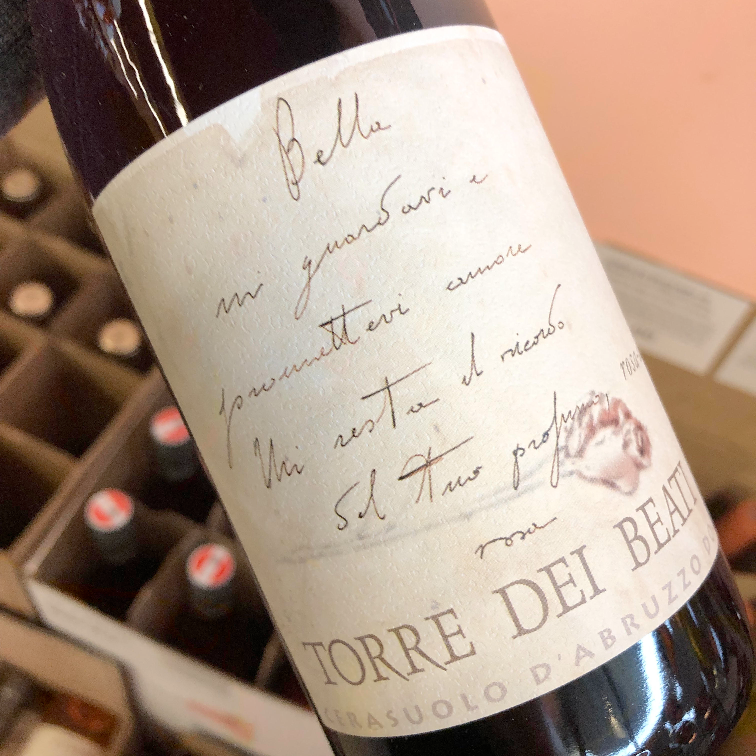
Torre Dei Beati Rosa Cerasuolo D’Abruzzo 2024

  • Regular Price:$27.95
  • Vinopolis Price: $24
  • Cerasuolo is like a perfect blend of a bold rosé and a chillable red wine, great for the late summer. Cerasuolo translates to cherry red, and refers to both the color and flavor of this unique and refreshing wine.
  • 92 Points, Vinous “A deep translucent red hue with violet shadings. It lifts from the glass with an enticing bouquet of white cherries, wildflowers and chalk dust. The 2024 is energetic and crisply refreshing, with depths of ripe strawberry fruits and tactile mineral tones that add lovely traction toward the close. This has a long, tense finish, with pleasantly chewy tannins, nuances of cranberry and rosy inner florals. Vibrant and intense, the 2024 is a real winner.”

Also in stock from Italy:

  • Benanti Etna Rosato $29
  • Proprieta Sperino Rosa Del Rosa 2023 $24
  • San Giorgia Pinot Grigio Rosé delle Venezia 2024 Close Out $9.90


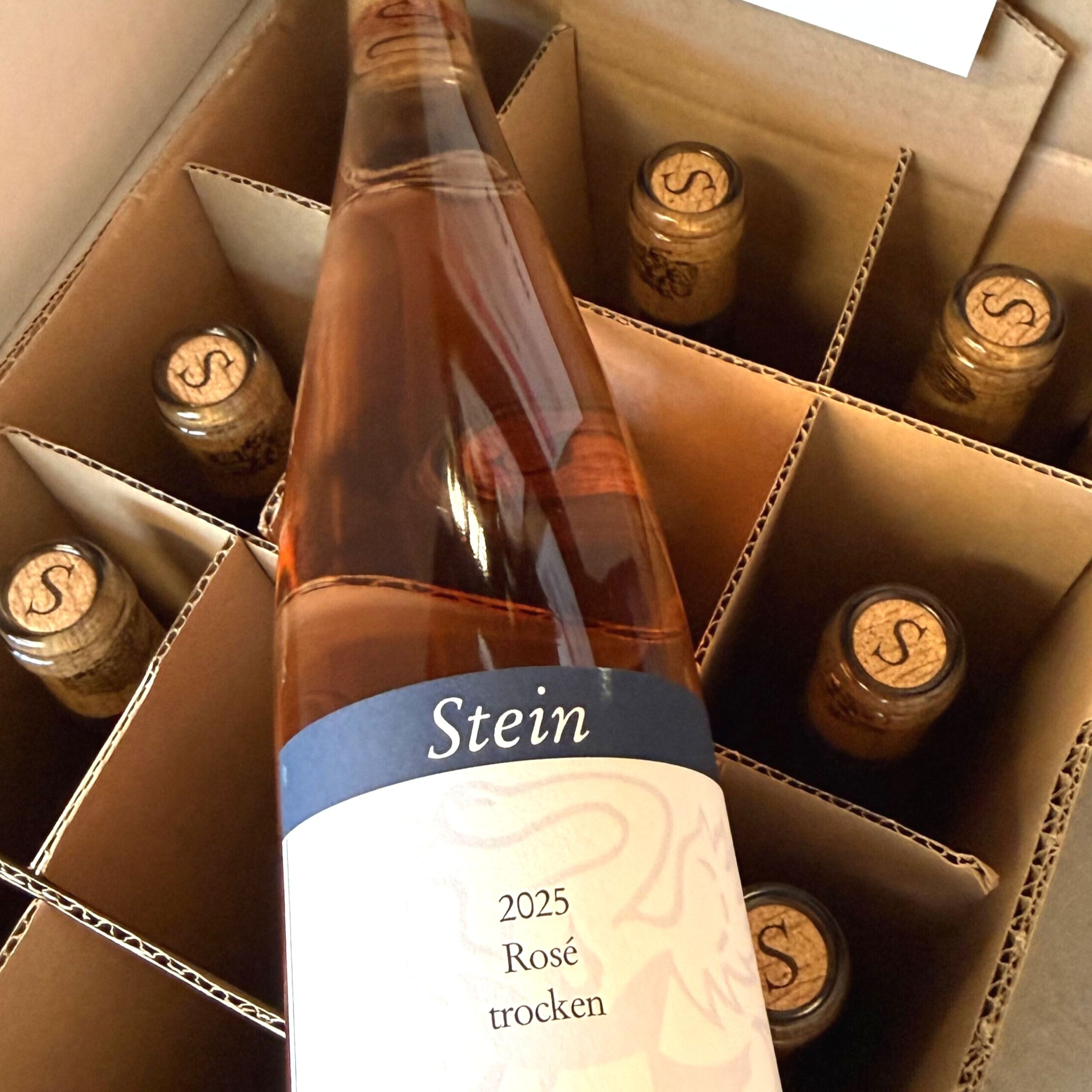
Stein Rosé Trocken 2025

  • Regular Price:$31.95
  • Vinopolis Price:$28
  • Ulli Stein’s Rosé Trocken is sourced from the Lower Mosel’s Alfer Hölle, where vines are hand-farmed on steep vertical inclines. The 2025 vintage produced concentrated berries from a warm summer and early harvest. A blend of Spätburgunder (Pinot Noir), Merlot and Cabernet Sauvignon, the result has a fine-grained mineral texture, low alcohol and a persistent, saline-driven finish.

Also in stock from Germany:

  • Kruger Rumpf Spatburgunder Rosé Trocken 2024 $24
  • Seehof Pinot Noir Rosé 2024 $21.90
  • Muller Ruprecht Pinot Noir Rosé 2025 $24
  • AJ Adam Spatburgunder Rosé 2025 $29