
Back to School Edition: Chapter Two of Three
Well, I’ve really leapt down a rabbit hole with this one…
This second selection of Back to School wines hits the peak of the technical complexity I’ll dive into for now. No promises about what kind of nerdiness the future holds, but that is a promise that the third set will be the most accessible.
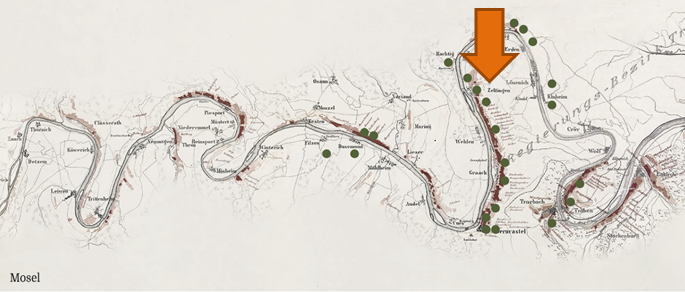
Experiment two, takes us to Zeltinger Sonnenuhr in the year 2018.
All three wines presented here come from a vineyard that happens to neighbor the site presented in the previous post. For this study, we’ll taste how winemaker Markus Molitor approaches a few layers of the Prädikats.
About Prädikat:
German wine uses a four-tier quality framework based on the German Wine Classification:
- Deutscher Wein: Basic table wine with no specific geographic origin required on the label.
- Landwein: Regional Protected Geographical Indication (PGI) wine from one of 26 broad areas, featuring a defined vintage and origin.
- Qualitätswein (QbA): Quality wine from one of 13 official designated wine regions (PDO) that must pass an official quality test.
- Prädikatswein: High-quality subset of Qualitätswein ranked strictly by the natural sugar level (must weight) of the grapes at harvest, with no sugar added during winemaking
Prädikats alone doesn’t guarantee sweetness. That decision is up to the winemaker to achieve balance in the finished wine, at which Molitor is expert.
Image depicting grapes at varying prädikats:
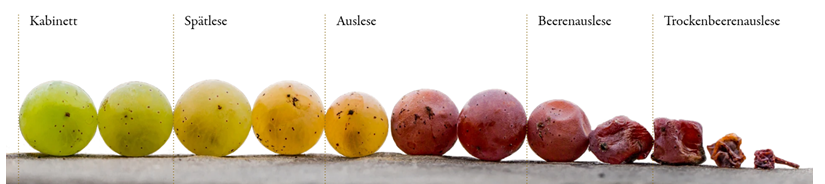
The Six Prädikat Levels (In Order of Ripeness)
- Kabinett: The lightest and lowest alcohol style, usually crisp and semi-sweet, though it can be made dry.
- Spätlese: Means “late harvest”; richer and more concentrated with fuller body.
- Auslese: Means “selected harvest” from very ripe, hand-picked bunches, occasionally touched by noble rot.
- Beerenauslese (BA): Rare, rich dessert wines made from individually selected overripe or botrytized (noble rot) berries.
- Eiswein (Ice Wine): Made from naturally frozen grapes pressed while frozen at or below -7°C to concentrate sugars and acids.
- Trockenbeerenauslese (TBA): The peak of the pyramid; intensely sweet, luscious honey-like wines made from shriveled, botrytized individual grapes.
- Experiment Two: Prädikat
- Balance can be achieved beautifully at different levels of ripeness, and with varying degrees of sweetness.
- Controls
- Winemaker: Markus Molitor
- Vintage: 2018
- Vineyard: Zeltinger Sonnenuhr, Mosel
- Variables:
- Prädikat level
- Residual sweetness in finished wine
- Kabinett Gold Kapsel – The least amount of potential alcohol at the time of harvest, but fermented to find balancing sweetness in contrast to intense, youthful acidity.
- Spatlese White Kapsel – More ripeness in the fruit, but fermented to a powerful dry style. Spice and structure are key features.
- Beerenauslese Gold Kapsel – Definitely dessert. Picked with the highest potential for alcohol, bottled with the lowest abv. of the three wines here. Honey and spice and so much acid to match that you won’t be able to stop licking your lips for a longtime after each sip.
- Taste the common characteristics, flavors, and aromatics the Zeltinger Sonnenuhr vineyard produces. Observe how ripeness transforms flavors from taut and youthful to golden and opulent.
- Not necessary for the experiment, but this would be a great time to bake a tarte tatin or peach cobbler…
- Controls
- Balance can be achieved beautifully at different levels of ripeness, and with varying degrees of sweetness.
About Markus Molitor
Notes form importer Banville Wine Merchants
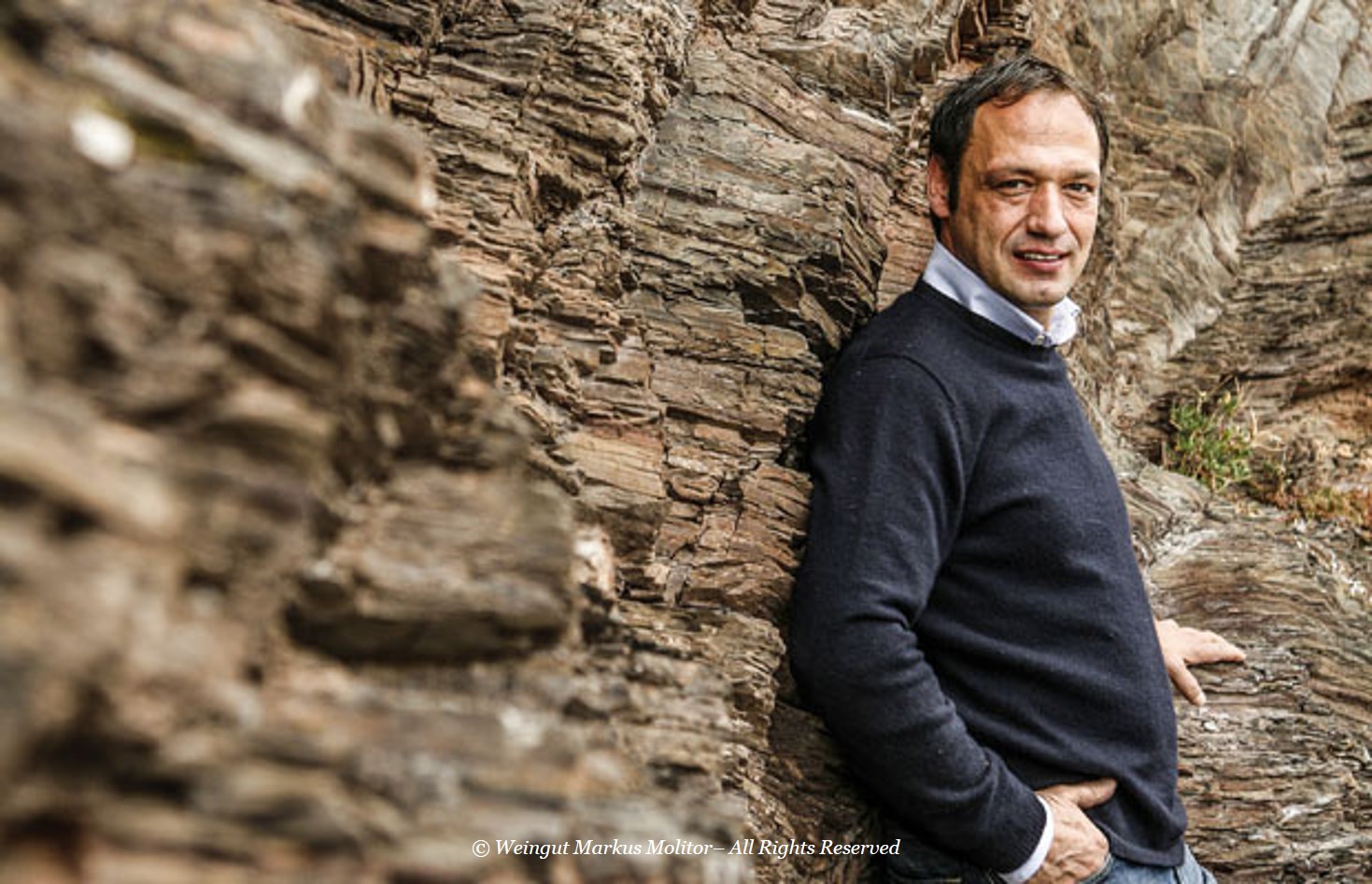
MARKUS MOLITOR was just 20 years old in 1984 when he took control of his father’s winery. Even at such a young age he had a clear vision of what he wanted to accomplish. His ultimate goal was to produce Rieslings from Germany’s famed Mosel region in the family tradition of eight generations before him with a strong dedication to making quality-driven, terroir-specific wines that would be unmistakably characteristic of this unique area. Markus’ guidelines have never changed and remain as uncompromising devotion to quality in the vineyard and cellar, together with an absolute respect for nature. His intent is that each vineyard and vintage should express itself in the taste of every single wine.
Markus began with just 1.5 hectares of vineyards in 1984. Over the past 35 years his holdings have grown to 120 hectares, making Markus Molitor one of the largest privately-owned and family-run vineyard and winery in the Mosel region. 75% of his vineyards are located in Grand Cru sites along the Middle Mosel river and 25% are located in the Saar river region. All of the vineyards are located on steep slopes and many of them are planted with old vines (some of the ungrafted vines are 100 years old). Due to the steepness and age of the vineyards, almost all of the work must be done by hand, guaranteeing the utmost quality in the selection process. Organic and sustainable viticulture practices are used in all of Molitor’s vineyards. All of Molitor’s wines are fermented using natural yeasts only. Most the wines are kept in large wooden barrels called Fuders that range in size from 1000 – 3000 liters.
The cellar is carved out of the slate rock of Wehlener Klosterberg and provides an ideal cool and humid environment for slow fermentation. The wines rest “sur lie” for an extended time after fermentation. Markus Molitor is the largest privately-owned, family-run premium winery in the Mosel area and the only German winery to receive 100 points from Robert Parker’s Wine Advocate not once, but fifteen times!
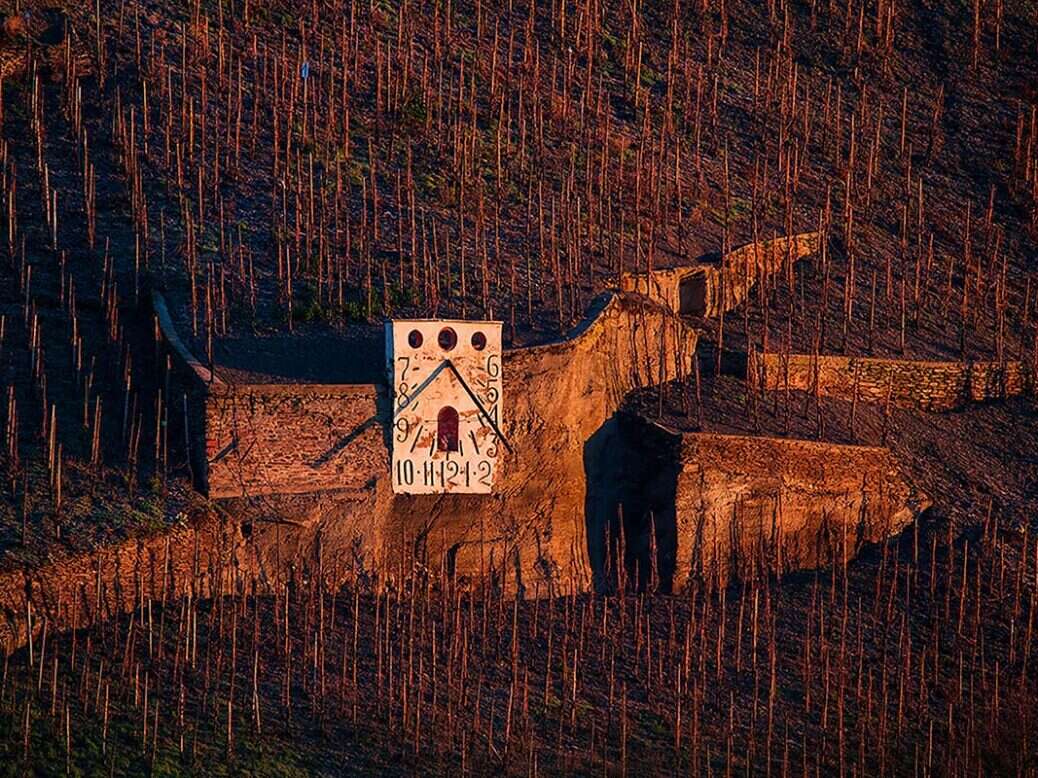
About Zeltinger Sonnenuhr: The Sun Dial Vineyard
Soil Type: Blue Devonian slate
The “sundial” of Zeltingen is the steepest of the three sites in the village and has the poorest soils. Vines here are rooted directly into Devonian slate. The approximately 23-hectare steep slope, facing south-southwest, has a medium-depth, weathered clay slate soil with a high stone content. What makes the Sonnenuhr vineyard special are its largely unconsolidated, ancient vineyards with ungrafted Riesling vines. Wines from the Zeltinger Sonnenuhr are incredibly elegant, delicate, vibrant, and possess a refined acidity.
Back to School Set #2 – Markus Molitor Prädikat explorer
All three wine altogether $183
Wines are also sold individually.
Set of 3 wines $183
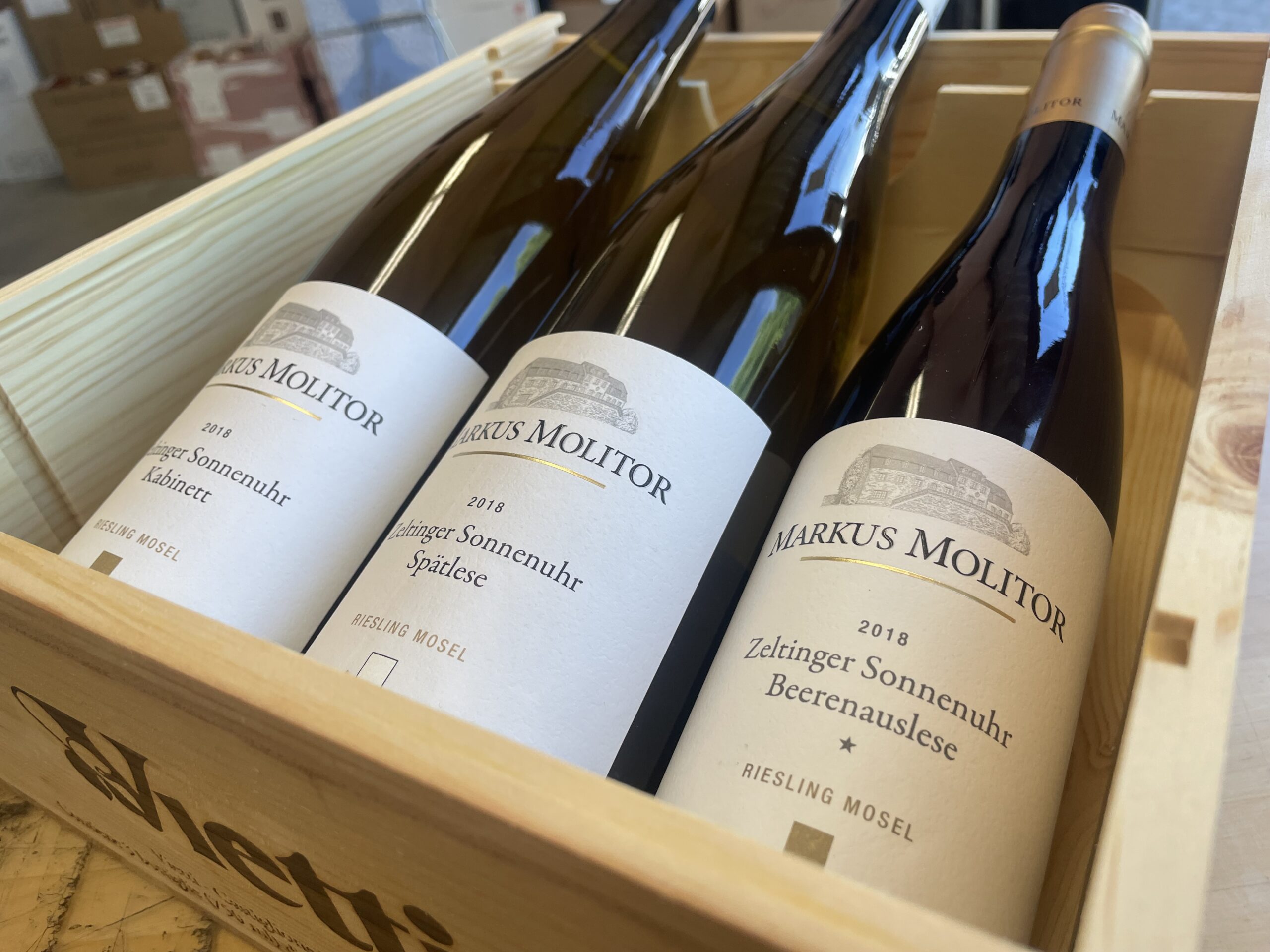
2018 Markus Molitor Zeltinger Sonnenuhr Kabinett Gold Kapsel
Regular price: $31.95 Vinopolis Price: $28
92+ POINTS WINE ADVOCATE “The 2018 Riesling Zeltinger Sonnenuhr Kabinett (Golden Capsule) is intense and aromatic on the nose that displays a concentrated and ripe stone-fruit aroma with reductive, sulfuric notes. Round and silky on the palate, this is a crystalline, salty-piquant and structured Kabinett with intense and sweet yet elegant fruit and a promising long and grippy finish. Tasted at the domain in September 2020.”
2018 Markus Molitor Zeltinger Sonnenuhr Spätlese White Kapsel
Regular price: $44.95 Vinopolis Price: $36
93+ POINTS WINE ADVOCATE “The 2018 Riesling Zeltinger Sonnenuhr Spätlese (White Capsule) offers a clear, fresh, bright and aromatic bouquet of white mandarins and mirabelles intertwined with the pure and refreshing tone of crushed stones and herbs. This bouquet gets you into the wine immediately. Round and intense on the succulent palate, this is a medium-bodied, elegant and very charming Sonnenuhr Spätlese with rather mild acidity but a serious terroir expression on the finish.”
2018 Markus Molitor Zeltinger Beerenauslese * Gold Kapsel (375mL half bottle)
Regular price: $149.95 Vinopolis Price: $119
100 POINTS WINE ADVOCATE “The 2018 Riesling Zeltinger Sonnenuhr Beerenauslese * is precise, clear and highly refined on the subtle, aromatic and flinty nose that represents perfect, early botrytis. Sweet and piquant on the crystalline and salty palate, this is a pristine, perfectly round and balanced BA with great finesse and elegance. Absolutely fabulous and complete. If you like it sweet, you can already enjoy this BA, due to its finesse and balance.”