Category Archives: Wineries We Cherish

Caparzo Brunello di Montalcino


May 2013

Elisabetta Gnudi Angelini has dreamt of living in a vineyard ever since she was little, but life hastaken her in other ways. She has worked in entertainment and in the pharmaceutical industry and known the urban stress in Rome. Until 1998, when she purchased the historic Caparzo vineyard in the Tuscan region of Brunello di Montalcino.

Though vines had long stood on the Caparzo land alongside olive trees and forestry, the vineyard itself was established in the 1960’s and spent much of that time passed around owners.  In her opinion, Caparzo had strayed fromits primary purpose over time and Elisabetta planned to refocus on what she thought the estate does best: Brunello and Rosso di Montalcino. With the help of winemaker Massimo Bracalente, she has renewed technology and invested in quality, hoping to keep the traditional style of Tuscan wine while adding a modern mentality to the winemaking process.Read the rest

Domaine Didier Dagueneau

January 2013

Didier Dagueneau died tragically in a plane crash in 2008. Before settling into life as a vigneron in 1982 he was a professional motorcycle racer. But, “settling” is a relative term; among other things he was also became internationally accomplished dog sled racer. And he was on all things a renegade, excepting family and wine quality. He uniquely at the time fused modern winemaking with ultra-traditional vineyard management yielding wines that were very soon recognized as among best whites in the world. This from Sauvignon Blanc in Pouilly-sur-Loire. His wines were intense and as cellar-worthy as any white wine from anywhere.

And thus, the wine world was breathless with our loss of the man, and potentially the wines, for the future.Read the rest

Pax Mahle’s Wind Gap Wines

January 2012

The story is becoming more and more common.  An American winemaker, inspired by European tradition and elegance, ends up making wines that appeal to critics, only to change course and return the making the style of wines THEY want to drink.  Pax Mahle is a perfect example.  Pax fell in love with wine in restaurants and worked as both a waiter and sommelier in order to be near it.  While visiting France in the 1990s, he met some of Burgundy’s and Rhone’s great traditional producers like Jacques Reynaud and Henri Jayer.  These grower/farmers experienced  wine in a far more personal and soulful way than Pax felt he ever could selling wine in restaurants.  So after considering setting up a winemaking shop in Piedmont or Burgundy (two region’s that greatly influenced Pax’s palate), he eventually settled in Sonoma County.… Read the rest

Veyder-Malberg- Fresh, Authentic, Extreme Wachau Wines

January 2012

With so much of today’s wine coming from mechanically-farmed flat land vineyards, direct human interaction with the vines and fruit is minimal at best.  There are, of course, plenty of hand-farmed vineyards out there, but few are as challenging to work as those in Austria’s Wachau. Like the historic vines of Spain’s Priorat or France’s Norther Rhone, the Wachau’s terraced vineyards are filled with deep-rooted old vines inaccessible by vehicles, so they must be worked by hand – which is highly labor intensive.  And this is why many of the old terraces are in danger of being abandoned – something that would ultimately change the landscape of the Wachau in the future.

So, starting in 2008, Peter Veyder-Malberg made it his goal to acquire exposed cool-site terraces with mainly old vines (30-50 years of age) and protect them from being cleared.… Read the rest

Paolo Bea: where & why – October 2011

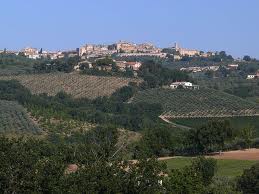
Umbria the heartland of Italy; the only region of Italy that is in fact surrounded by Italy. Its rolling hills and intermittent plains are something of an agricultural paradise. Montefalco is said to be the balcony of Umbria; an ancient hilltop fortess village. And the nearby Montefalco hills are the center of Umbrian wine tradition, with pre-Roman origins. For all of its prized olive oils and sometimes prized wines, the greatest “export” from Umbria may well be the particular theology of the Franciscan Order, founded in 13th Century Assisi, 20 miles to the north from Montefalco.


 The Bea Family in Montefalco pre-dates the 16th Century. For all the impact that Paolo Bea has had on the world of wine, the estate is tiny and not specifically devoted to wine.Read the rest