
Back to School: Part Three of Three
The third and final chapter in this Back to School series—in antithesis to the complexity of the previous—is the least rigidly scientific, but without a doubt, the most accessible. We’re presenting a grab bag of dry wines, all from the 2023 vintage, but from a variety of different regions in Germany. Compare and contrast.
Referring back to the German Wine Classification tiers noted in the previous presentation, all of the wines in this third experiment are classified as Qualitätswein*, and not measured with any particular Pradikat. (*QbA: Quality wine from one of 13 official designated wine regions (PDO) that must pass an official quality test).
- Experiment Three:
- Trockens from different hands across the land
- Controls
- Style: Trocken
- Quality level: Qualitatswein (no Prädikat)
- Vintage: 2023
- Variables:
- Region
- Nahe
- Pflalz
- Mosel
- Producers
- Hexamer
- Von Winning
- Vollenweider
- Merkelbach
- Emrich Schonleber
- Donnhoff
- Controls
- Trockens from different hands across the land
- You have some freedom to decide how you’d like to explore how regional variations and how they affect the finished wines. The combination of differences in soil type and regional climate variations can mean very different results for wines made from the same grape variety in the same year. Producer’s styles can also be observed in this comparative tasting. Will you compare three Nahe wines, or Mosels? What about one wine from each of the three regions represented? What do you like about each? What stands out?
While this experiment shows very tidily how Riesling can be produced as a delicious dry wine, I’ll leave you with a few final observations, and some closing theories from this three-part-exercise.
- Acid = electricity
- Sweetness is one way to balance acidity
- There are many ways to approach making wine from one single grape variety
- German wine is a mouthful before you ever taste it, but is so much fun to explore!
About the Regions presented:
Mosel:
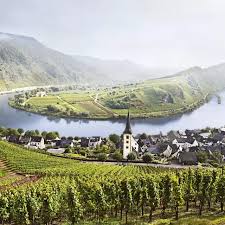
The Mosel wine region in Germany follows the winding Mosel River and is famous for producing world-class, mineral-driven Riesling grapes on some of the steepest vineyard slopes on earth. Mosel wine region are defined primarily by ancient Devonian slate on its famous steep slopes, alongside limestone and alluvial river valley deposits.
Nahe:
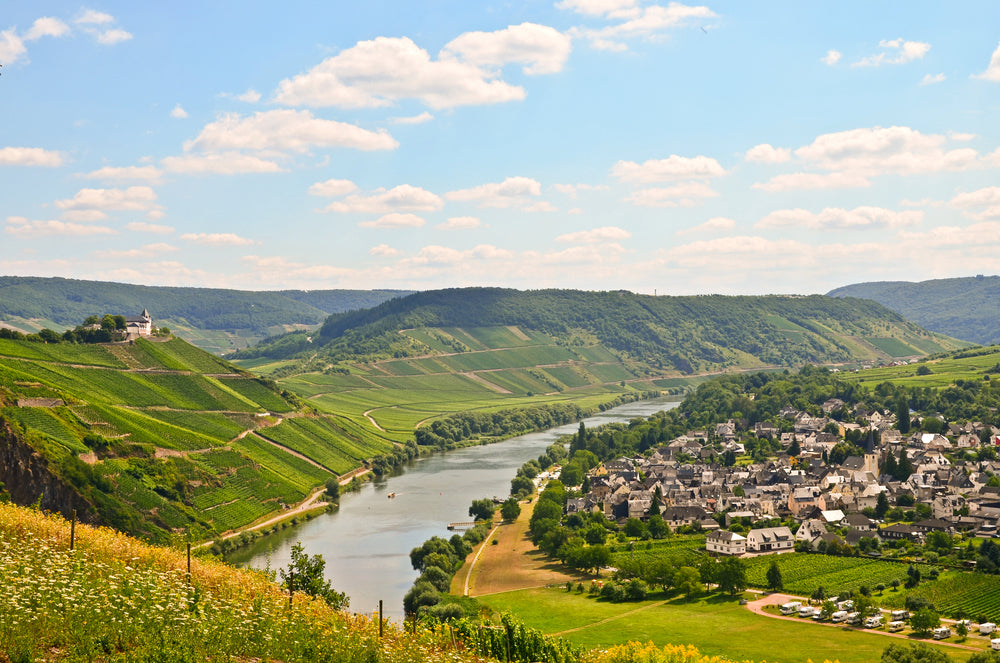
The Nahe is a compact German wine region located in the state of Rhineland-Palatinate, nestled between the Mosel and Rhine rivers. The region contains over 180 different soil types due to complex volcanic origins. Key soils include slate, quartzite, sandstone, porphyry, clay, and loess. Nahe wines combine the raciness and minerality of Mosel Rieslings with the richer structure and body of Rheinhessen or Rheingau bottles.
Pfalz:
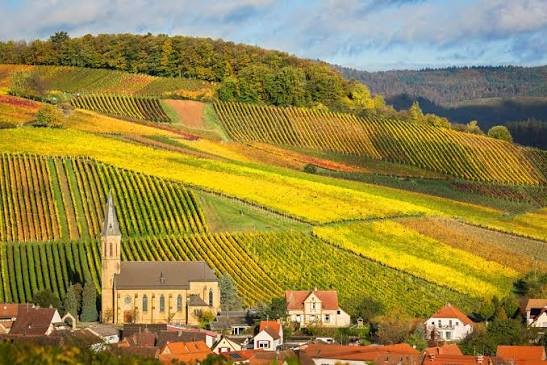
Pfalz is Germany’s second-largest wine-growing region, stretching about 80 kilometers along the scenic German Wine Route in southwestern Germany. The region features a highly diverse mosaic of soils shaped by the collapse of the Rhine Graben and its location along the Haardt Mountains. Pfalz wine region style features ripe, full-bodied, and predominantly dry (trocken) wines with lower acidity and rich stone fruit flavors compared to cooler German regions like the Mosel.
About the Vintage:
Acclaimed critics like Paula Sidore and Stuart Pigott praise the 2023 Rieslings as graceful, expressive, and balanced, possessing racy acidity and a slightly riper, richer profile than previous years. Many estate producers compare the successful lots of 2023 favorably to the stellar 2019 vintage due to their poise, symmetry, and aging potential.
Featured Wines:
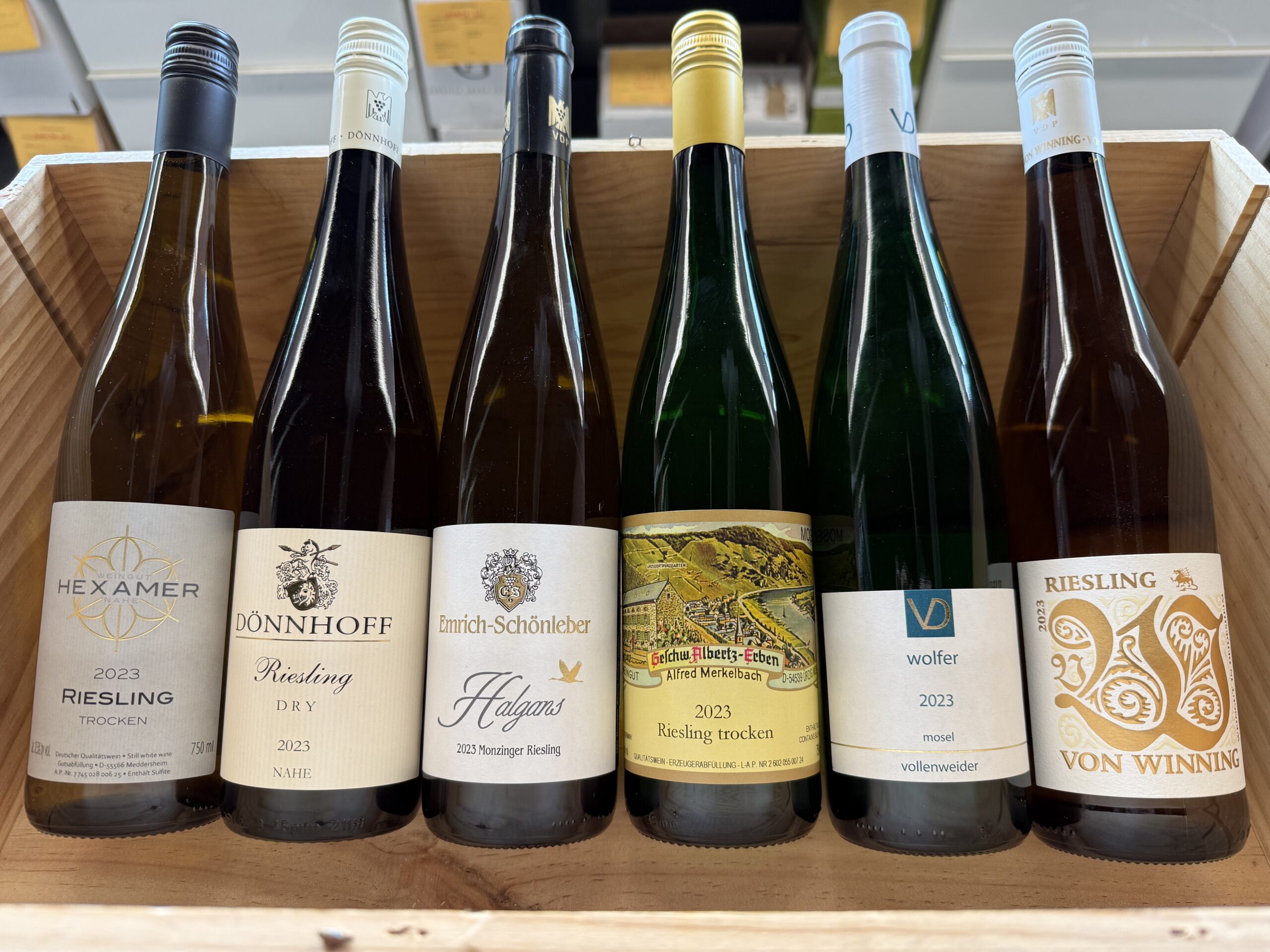
Hexamer, Estate Trocken, Nahe 2023
Regular Price: $29.95 Vinopolis Price: $26
- “The palate is spicy and delivers a mélange of herbal and mineral flavors, with even a peppery edge. The finish is, miraculously, balanced, and while it doesn’t linger it is also surprisingly smooth, yet without the weird creaminess of deacidified wines” Notes from Importer Terry Theise
Emrich-Schonleber, Halgans Trocken, Nahe 2023
Regular Price: $49.95 Vinopolis Price: $44.50
- “Fabulous interplay of refined peachy fruit and racy acidity. Compact, concentrated and extremely minerally on the medium-bodied palate, the wine expanding as it shoots over your palate with the brightness of a lightning strike. Drink or hold.” 95 Points- James Suckling
Donnhoff, Estate Trocken, Nahe 2023
Regular Price: $39.95 Vinopolis Price: $36
- “Fantastic brilliance and a wealth of delicate stone-fruit and citrus aromas, also floral notes! Barely medium-bodied, but with all the attributes that make a dry Nahe riesling a thing of beauty to behold. Drink or hold. Screw cap.” 93 Points – James Suckling
Von Winning, Estate Trocken, Pfalz 2023
Regular Price: $27.95 Vinopolis Price: $24
- “The 2023 Riesling is made from estate-grown fruit only, from the youngest vines and non-classified vineyards, all done in stainless steel. Ripe stone fruit and gentle creaminess on the nose are friendly and sunny. The palate is totally inviting, providing lightness, zestiness, creaminess and above all, bright, gentle fruit. (Dry) (Drink between 2024-2028).” -Anne Krebiehl MW – Vinous
Merkelbach, Trocken, Mosel 2023
Regular Price: $24.95 Vinopolis Price: $21.90
- “The 2023er Riesling Trocken comes from fruit picked in the west-facing and higher parcel Zeltinger Himmelreich. It offers a superbly refined, elegant, and finely aromatic nose of whipped almond cream, vineyard peach, minty herbs, smoke, white flowers, and anise. The wine proves super light and airy on the finely juicy and delicately creamy palate. These creamy elements give way to a broader yet also more focused side. This very charming and attractive dry Riesling. 2025-2033.” -Mosel Fine Wines
Vollenweider, Wolfer Trocken, Mosel 2023
Regular Price: $39.95 Vinopolis Price: $36
“The village-level Wolfer is a bit grander and more elegant, but also perhaps more ruthless than the “Felsenfest.” Every year this is a personal favorite; every year it has some of the most extreme numbers (meaning low residual sugar, high acidity). Sourced from up to 80-year-old vines in the Goldgrube and barrel-aged on the full yeast in barrel and stainless steel for a year, this is always released a year behind the Felsenfest, along with the Grand Crus. Moritz thinks 2023 may be the best dry vintage he has seen. While theoretically a warmer vintage, the wines have a stunning purity and harmony. Note from Importer Vom Boden + 95 Points; James Suckling